Metaverse
Influencers:
Reality or Hype?
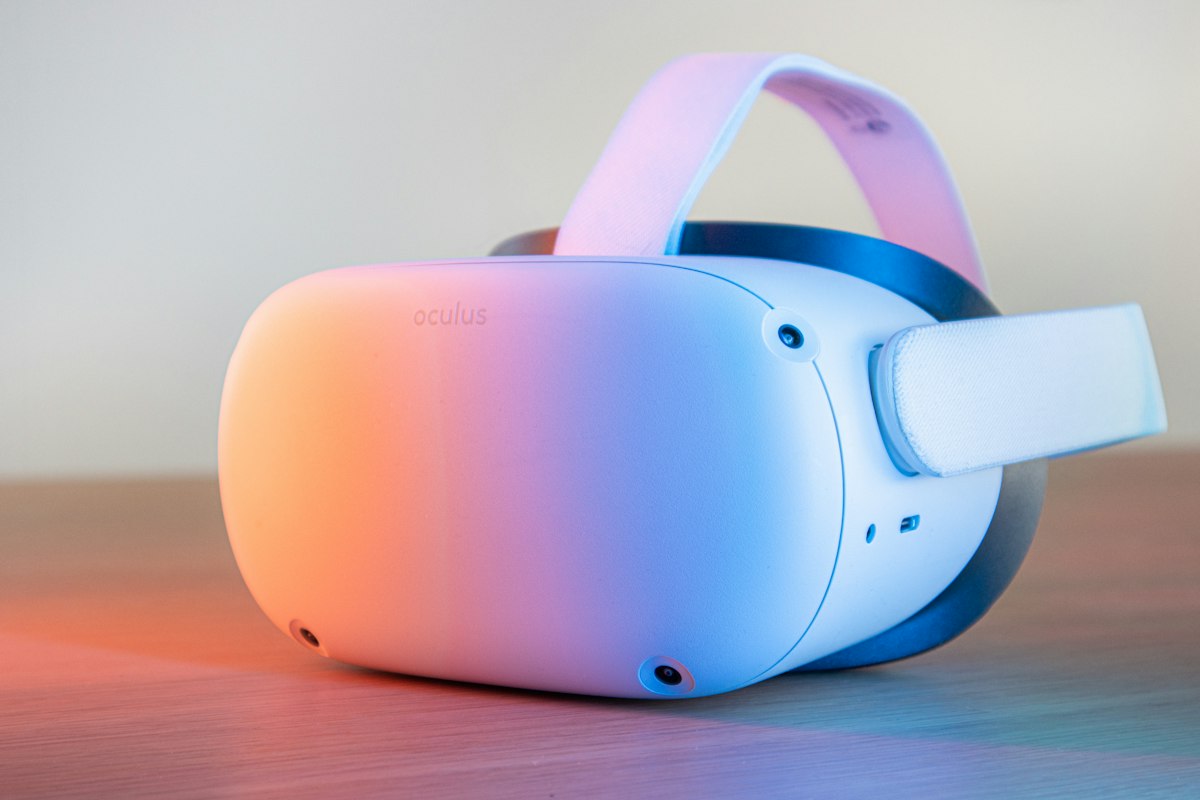
A few years ago, the word "metaverse" was everywhere. Tech CEOs were betting their companies on it. Brands were buying virtual land. And a new breed of creator — the metaverse influencer — was supposed to change digital marketing forever.
In 2026, it's time to ask the question that everyone's been dancing around: was it real, or was it the biggest hype cycle the creator economy has ever seen?
The answer, as usual, is more complicated than either the believers or the sceptics want to admit. Let's get into it.
market by 2028
in virtual spaces
commerce 2023–26
What Actually Happened to the Metaverse?
Let's be honest about what went wrong first. When Meta rebranded from Facebook in 2021, it lit a fuse of expectation that the technology simply wasn't ready to fulfil. Horizon Worlds looked underpowered. Headset adoption stayed niche. And mainstream users never showed up in the numbers the industry promised.
The early wave of "metaverse influencers" — creators who built avatars, hosted virtual concerts, and sold digital wearables — found themselves speaking to mostly empty rooms. Brand deals in virtual spaces dried up. Virtual real estate prices crashed. And the media, which had hyped the whole thing to the moon, gleefully declared it dead.
But here's the part that got buried in those obituaries: the infrastructure quietly kept building. AI-generated environments got dramatically better. Roblox crossed 400 million monthly users. Fortnite became a cultural venue. And a new generation of creators started building genuine, monetisable audiences in virtual-first spaces — just without the "metaverse" label attached.
Reality vs Hype — Breaking It Down
Virtual concerts in Fortnite and Roblox drawing tens of millions of simultaneous viewers. This isn't hypothetical — it's happening every month.
The promise that everyone would own a VR headset and spend their weekdays in virtual offices by 2024. That timeline was fiction.
Digital fashion and avatar wearables are a genuine market. Brands like Nike, Gucci, and Ralph Lauren have built real revenue streams in virtual spaces.
Virtual land as investment-grade real estate. Those prices collapsed — and most parcels remain unsold and undeveloped years later.
AI-powered avatar creators are building audiences in the hundreds of thousands — with brand deals, merchandise, and live event income to match.
The idea that traditional Instagram/YouTube influencers would be replaced by virtual ones within five years. That didn't happen — and won't anytime soon.
Who Is a Metaverse Influencer in 2026?
The metaverse influencer of 2026 looks very different to the one that was pitched in 2021. They're not necessarily someone living inside a VR headset. They might be a Roblox game developer with 2 million followers, a virtual fashion designer selling avatar wearables on multiple platforms, or a creator who uses AI tools to build digital personas that interact with audiences at scale.
What they share is this: they understand that the line between physical and digital identity is blurring — and they're building their creative careers at that intersection rather than on one side of it. That's a genuinely new kind of creator, and it's a genuinely powerful position to be in.

The biggest mistake brands made in 2021 was treating the metaverse like a destination. In 2026, the smart money is treating it like a channel — one channel among many, with a specific audience profile and specific content types that work. That reframe changes everything about how you approach it.
Should Creators Be Building in the Metaverse Now?
This is the question we get most from creators and brands at GMTalents. The honest answer is: it depends entirely on your niche and your audience.
-
✓Gaming creators — If you're not already building presence in Roblox, Fortnite Creative, or virtual gaming worlds, you're leaving reach and revenue on the table. This space is mature and monetisable right now.
-
✓Fashion and beauty creators — Digital wearables and avatar styling are a real, growing market. Early movers are already building brand partnerships that didn't exist two years ago.
-
✓Musicians and performers — Virtual concerts and immersive audio experiences in digital spaces are proving to be genuinely effective audience-building tools, especially for Gen Z creators.
-
→Lifestyle and fitness creators — The metaverse opportunity here is emerging but not yet proven at scale. Worth watching and experimenting, but don't shift your core strategy yet.
-
✗Business, finance, and news creators — The metaverse is unlikely to be your primary growth channel for the foreseeable future. Focus your energy on YouTube and LinkedIn instead.
The Real Truth in 2026
Metaverse influencers are neither the revolution that was promised nor the failure that was declared. They are something more interesting: a new creative category that is quietly maturing while the rest of the internet has moved on to the next shiny object.
The creators who will win in this space are not the ones who believed every 2021 headline. They're the ones who kept building after the hype died, who understood the technology's real capabilities rather than its imagined ones, and who found the specific intersections — gaming, fashion, music, AI — where virtual influence actually converts into real business.
The metaverse is real. The timeline was hype. The opportunity is still there — if you know where to look.
Ready to Find Your Platform Edge?
Whether it's the metaverse, YouTube, or Instagram — GMTalents helps creators and brands build strategies that actually grow. Let's find where your audience lives and build something real there.
Work With GMTalents